


Trade or Aid in Ethiopia?
- Jan 9, 2018
- 3 min read
A major factor contributing to the issue of famine in Ethiopia is the unstable economy, this has led to the lack of confidence in international trade. This leaves many to be unemployed and have low disposable income, causing GDP to fall. $16.5 billion was lost due to corruption, and conflicts between neighbouring countries has made investors confidence plummet. As a result of this many people are unable to purchase food and farmers often sell their lands to pay off debt resulting in a hunger spiral.
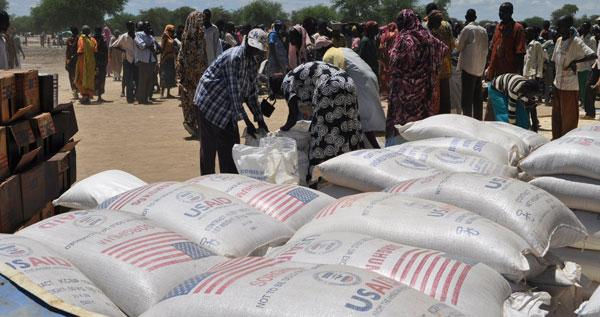
Another major cause of the famine in Ethiopia is the unstable rainfalls that the country receives every year. These include droughts and flash floods, the large amount of these natural disasters prevent the unsuccessful growth of crops. This further reduces the already critically low supplies of food. Disease continues to spread through the population, causing majority of the work force weak and unable to work. Even on a non-drought year, 472,000 Ethiopian children under the age of 5 die from the simple cold to severe malnutrition. In turn this has caused the collapsed of the education system in Ethiopia, as many people are unable to afford education or are simply too ill to work and teach.
In addition at least 1 person dies every day due to undernourishment in Ethiopia. This has caused high death rates to occur resulting to a large amount of Ethiopians leaving to seek asylum, however they are often caught between cross fires of their neighbours. This has caused the destruction of infrastructure and economic growth, preventing the country from advancing into modern day technology.
How can this be stopped?
It is generally agreed that humanitarian aid is necessary and important contribution at times of short-term suffering, much research suggests that there appears to be no significant correlation between level of aid given to a developing country and the growth of GDP.
Aid is received to a small sector of the population. Today many nations only provide aid to those countries that are of a political and economic interest to them. This is known as tied-aid. When aid is received from a country terms and conditions are applied in which all money donated must be spent on the goods of the donor country. Another common condition is to introduce the donor’s foreign Direct Investment, causing many of the country's resources to be exploited. One example of this is China ‘aiding’ Nigeria and Congo with over 45 billion USD between 2003 and 2011. However, these countries can only spend on goods that are produced by China and must allow China’s multinationals to penetrate the economy making up for 45.7 percent of GDP. This is harmful to these countries as if China leaves the economy, it will be left in pieces.
Trade on the other hand allows in some cases a short term and long term benefits. The World Trade Organization protects all its 153 members to ensure all or not most of the products are legal and affordable. This allows developing countries to be increase international competitiveness, foreign exchange, efficiency and most importantly economies of scale on a global scale. Trade also allows better relationships between countries which will provide for more political stability and may be useful in the future.
This enables countries the have a comparative advantage, for example Ethiopia is one of the top 5 best quality coffee beans in the world allowing it to act as a financial service to the country. Unfortunately due to the lack of leadership and political stability the country is unable to step forward into the modern age. The only economical disadvantage of trading is that you must have money.
Comments